FrugalMonkey Discount Travel News

Category: Oceania

  • The World’s 10 Best Waterfalls

    Stopping to admire a cascading waterfall is a great reward for a hard day hiking the trails. And best of all, it doesn’t cost anything to pause and appreciate these natural wonders. In this article we tell you where you can find the world’s 10 best waterfalls.

    Bridal Veil Waterfall, New Zealand
    It takes less than an hour to hike from New Zealand’s Treetop Lodge to the majestically misty Bridal Veil Waterfall. The forest that surrounds it is some 800 years old, so the walk is just as impressive as your final destination. It’s all part of what the locals call Wai-O-Tapu Thermal Wonderland, a steamy stretch of parkland with bubbling hot sulfur streams.

    Mele Cascades, Vanuatu
    Waterfalls aren’t usually on the top of the wish lists of thrill-seeking travelers, but Mele Cascades in Vanuatu deserves to be. Adrenalin junkies can abseil down the face of the falls, while those with weaker hearts can splash about at the bottom. What a fun way to cool down after enduring the steep climb to the summit! There is an entrance fee of 1500 vatu, but at around $16.50US it’s not exorbitant for the experience.

    Bang Pae Waterfall, Thailand
    Bang Pae Waterfall is the largest fall on Thailand’s popular tourist island, Phuket. It drops down some 55 feet from a cliff face to pools below. Many are small, but a few are large enough for swimming if you feel like a dip. While you’re there, keep your eyes peeled for some of the furry locals. The Bang Pae Waterfall is home to the Gibbon Rehabilitation Project, a scheme which reintroduces domesticated apes to the wild.

    Barron Falls, Australia
    Travel down the McDonald Track in Queensland’s Barron Gorge National Park to see the thundering power of the Barron Falls. You won’t be able to get up close and personal with this natural wonder, but you’ll get a great view from the nearby Wrights Lookout. If you’d prefer to save your legs you can also see the falls from the Kuranda Scenic Railway or the aerial tram known as the Skyrail. It’s little more than a trickle during the crowd-pleasing dry season though, so visit during the wet season (November to April) to see it in all its glory.

    Zoe Falls, Australia
    The Australian state of Queensland punches well above its weight when it comes to waterfalls. If Barron Falls didn’t give you your fill, take the trip to Zoe Falls on the idyllic Hinchinbrook Island. The waterfall cascades down into a crocodile-free saltwater swimming hole. It’s the perfect spot for a break from the steamy conditions of the 20-mile Thorsborne Trail.

    Dudhsagar Falls, India
    This is another waterfall for our lazier readers. You can access it by hiking for close to seven miles along Goa’s Kulem Route, but if that sounds like too much effort you can just catch a train! The local railway passes right by the impressive 984-feet fall. If you’ve got the time and energy though, it’s worth taking the trail so you can stop to admire its beauty. Just be prepared for one serious trek!

    Dettifoss, Iceland
    Dettifoss is regarded as the centerpiece of Jökulsárgljúfur, Iceland’s equivalent of North America’s Grand Canyon. It’s Europe’s most powerful waterfall, but its appeal is about more than sheer force. It’s impressive to watch glacial meltwaters rushing down the 145 feet precipice. If Dettifoss makes you hungry for more you’re in luck; it’s surrounded by three more large waterfalls.

    Plitvice Waterfalls, Croatia
    This beautiful network of falls makes the lush green forests of Northern Dalmatia that much more beautiful. Forget about sweating it out on difficult tracks. The locals have built boardwalks which take you over, under, and around these impressive cascades. These pathways make it easy to explore the area, so you needn’t be a fitness junkie to visit!

    Cachoeira do Buracao, Brazil
    You might not be able to pronounce it, but you should definitely visit Cachoeira do Buracao if you’re ever in Brazil. The striking waterfall drops some 262 feet down enormous circular cliff faces. No wonder its name translates to Big Hole Waterfall! The water below is also perfect for swimming.

    Niagara Falls, North America
    Niagara Falls, North America

    Niagara Falls, North America
    No list of the world’s best waterfalls would be complete without mentioning Niagara Falls. However the inclusion of this Great Lakes tourism highlight may be cheating just a bit, as Niagara is actually three falls that run along the border of the United States of America and Canada. That’s to take nothing away from them though. There’s a reason why these beautiful falls are the best known in the world. Cross the Rainbow Bridge to travel from one side of the Horseshoe Falls to the other, take the Maid of the Mist boat ride, or join one of the many organized Niagara Falls tours. A tour is the most expensive option, but it can make a visit to this popular tourist attraction run more smoothly.

    While man is capable of creating impressive buildings and artworks, these waterfalls remind us of the natural wonders worth appreciating on our vacations. Just remember to travel responsibily, and leave these natural marvels in pristine condition so they remain just as beautiful for generations to come!
  • Eat Like a Local in Fiji – Affordable Dining in South Pacific

    We all know that the best way to save money abroad is to live like the locals do.

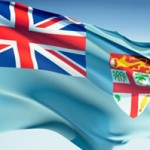
    In Fiji that means stepping out of the resorts with their overpriced restaurants and discovering the wealth of flavors outside. The smells of tropical fruits and the buzz of enthusiastic vendors hits you as you approach Suva Market. As you're buying directly from the farmers, the exotic fruits are incredibly affordable. Fresh seafood arrives early on Saturday mornings straight off the boats, so this is a great time to try ika in lolo, a traditional Fijian dish of fish in coconut cream. And if you're feeling brave enough to try Fiji's famously pungent drink, there's a kava bar upstairs. The markets can get chaotic, particularly late in the week, but some shoppers feel that only adds to the excitement. As more than a third of Fijians are of Indian descent, this country's cuisine is very popular. After all, it's a kind of fast food that's satisfying and affordable. Most of Fiji's Indian restaurants are in Suva, including Govinda Restaurant on Marks Street, Singh's Curry House on Waimanu Road, and the Hare Krishna Restaurant near the Reserve Bank of Fiji. [caption id="attachment_2880" align="alignright" width="150" caption="The national flag of Fiji"]Fiji flag photo[/caption] The downside of eating Indian in Fiji is that most restaurants don't serve alcohol. If you'd prefer to wash your meal down with a good glass of wine, you may like to try one of Fiji's Chinese restaurants. Bohai Seafood Restaurant in Nadi looks like a bit of a hole in the wall, but it offers delicious and authentic Chinese dishes. Suva's Victoria Parade has many Chinese Restaurants, while the Sunday night buffet at Kim's Paak Kum Loong Restaurant in Levuka is famous. So why not try the restaurants outside Fiji's resorts? Your wallet and your taste buds will thank you!

  • Learn Fijian – Speak Like a Polynesian Local

    When you’re vacationing in Fiji you’ll hear many unfamiliar words. While English is the predominant language, several Fijian words have made it into the everyday vernacular.


    Learning these key terms and phrases will help you feel like a local in no time. Bula is the most common greeting in Fiji. By repeating this word to a friendly local you are wishing them health and a good life. You may occasionally hear Fijians say the longer forms of the greeting, "Ni sa bula" or "Sa bula," but simply responding with the word bula is acceptable. While bula is an acceptable greeting at any time of day, there are more specific salutations if you can remember them. "Ni sa yadra," or more informally "yadra," means good morning. Note that yadra is pronounced like "yandra," with an n sound. [caption id="attachment_2880" align="alignright" width="150" caption="The national flag of Fiji"]fiji photo[/caption] If you're saying goodbye at the end of a big night of cocktails you might use the phrase "Ni sa moce." It translates as "sleep," but is used in place of goodbye or good night. If that phrase is a bit of a mouthful, you can always use the more informal shortened one, moce. Note that the c in moce has a th sound. When you're interacting with Fijian resort staff, remember to say vinaka, which means "good" or "thank you." If you're particularly impressed by the service you receive you might say the more enthusiastic "Vinaka vaka-levu," which means "thank you very much." Talanoa is the Fijian word for storytelling, one of the favorite pastimes of the friendly Fijian people. Don't be afraid to sit down with anyone asking you to join them for a talanoa tea. The locals are not nosey when they enquire about your origins and relationships; they simply want to learn about your culture the way you're learning about theirs!

  • Weather in Vanuatu – Tropical Climate and Conditions in Polynesia

    Vanuatu’s tropical and subtropical climates guarantee the stretch of Polynesian islands always lives up to its reputation as an idyllic coastal paradise.


    However, tourists should be aware of the country's changing weather conditions throughout the year before planning to travel around Vanuatu. There is little climate variation between the seasons; whether it’s around 85 degrees Fahrenheit in summer or 65 degrees Fahrenheit in winter tourists will still be able to swim in the ocean or laze about on the sand. Showers rarely set in either, with rain typically lasting a day at most. However, if you want to avoid wet weather completely you’re best steering clear of Vanuatu between November and April. The famous Southeast Trade Winds bring sunny, warm days and cooler nights all year round. However, they can be more unpredictable during the wet season. A squall can blow up seemingly out of nowhere, so make sure you hold on to your hat! Bungalows have even been known to blow away in blustery weather, but tourists needn’t be too concerned. Resort staff are used to these kind of winds, and will build you another one before too long. Visiting outside the wet season is the best way to avoid any extreme conditions in Vanuatu, but if that's not possible the woolly weather shouldn't interrupt your stay too much.

  • Fijian Tourist Traps – Tips for Getting the Most from Your Polynesian Vacation

    Fiji is a relaxed island country that embraces foreign travelers. But there are a few tourist traps that visitors should be aware of to ensure they get the most from their Polynesian vacation.

    Fiji lures tourists with the promise of sun, surf, and sparkling white sand, but that ideal doesn’t tell the whole story.


    The truth is, only the beaches in the Coral Coast live up to that reputation. If you plan on spending your days lounging by the ocean avoid the resorts around the rest of the island. Many of them dump white sand over the top of their gray beaches, but that can't change the murky water. On the positive side, these resorts do have lovely pools, and often cheaper prices than their Coral Coast counterparts, so if you're only after a dip they can do nicely. [caption id="attachment_2880" align="alignright" width="150" caption="The national flag of Fiji"][/caption] The advice of tourist information centers should also be taken with a grain of salt. They're notoriously biased, and will try to sway you to frequent the hotels and tours that pay them a commission. Doing your research online before setting off is a much more reliable way to plan your Fijian vacation. Read our blog about adventure activities in Fiji posted recently. Also keep your wits about you at the local markets. While it's always tempting to bring home a souvenir of your stay, steer clear of vendors pretending to sell traditional items. Don't spend your Fijian money on masks and tikis made to look authentic; instead look for carved cannibal forks and Fijian war clubs.

  • Play Golf in the South Pacific – The Most Beautiful Courses in Island Region

    The South Pacific region in Oceania is famous for its picturesque location and laidback lifestyle, but you might not know that the area is also home to some of the world’s most beautiful golf courses.


    In this article we take a look at some of the island location's best. Not far from Fiji's international airport you'll find the Denarau Golf and Racquet Club. It’s the sporting hub of the Denarau Island Resort, but you don’t need to be a guest to enjoy its facilities. The course isn't very challenging, but it is beautiful with its palm trees and sea borders. The wet stuff makes for some interesting water shots, although most players should reach the pin in a stroke over par. It’s probably not for the serious golfers, but casual fans of the sport will get a kick out of the sea-creature shaped bunkers and greens.south pacific golf photo In Apia, a 40-minute drive from Samoa's international airport you'll find the Royal Samoa Country Club. It has a very regal name and surrounds to match; the 5445 meter course is considered one of the most beautiful in the South Pacific. In its years it's also attracted the right clientele. His Highness Malietoa Tanumafili was a regular here before he sadly passed away in 2007. Even he was challenged by the sixth hole which is totally blind. Related: Golf Courses in Hawaii So make sure that you pack your clubs when you set off for the South Pacific!

  • Explore Fiji’s Islands with JetSki Safari Adventure Tours

    It’s very easy to spend your time in Fiji lolling about on the beach and drinking too many cocktails.

    But if you want more out of your Oceanic getaway, consider gearing up for a JetSki Safari adventure. This is a far cry from an African safari experience; rather than wild animals you'll see some of the smaller, lesser known islands around Fiji's Coral Coast. And rather than a jeep, your vehicle will be a high-tech Yamaha jet ski. These large aquatic vehicles can comfortable seat up to three passengers, and carry personal belongings and some snorkeling gear. Where many tours are rigidly structured, the team at JetSki Safari wants you to explore their island paradise at your own pace. If you like the look of an area you can jump off your jet ski and strap on your snorkeling mask. These remote locations are blessedly free of tourists, so you can interact with the local fish without the crowds. [caption id="attachment_2880" align="alignright" width="150" caption="The national flag of Fiji"]jet ski fiji photo[/caption] If you’ve never operated a jet ski before, don’t be concerned. Fijian waters are calm, and the skis are very user friendly. A full safety briefing in the morning will help you gain confidence before getting out on the water. Four-hour JetSki Safari Tours cost FJD $230 per person, twin share. This price includes sight-seeing with a tour guide, snorkeling equipment hire, and lunch on a deserted island beach. The tours leave from Pacific Harbor, a three-hour drive from the Fijian capital of Nadi.

  • Managing Money in Tonga

    We all know that Tonga is one of the most affordable destinations in the South Pacific.

    But how should you manage your money once you get there? Tongan pa'anga banknotes are available in denominations of one, two, five, 10, 20, and 50. One hundred seniti is equivalent to one TS$1. Seniti coins come in denominations of one, five, 10, 20, and 50. Tongan banks are generally open between 9 am and 3:30 pm, although these trading hours may be extended in major tourist centers including Nuku'alofa and Neiafu. These cities have automatic teller machines; find them at the ANZ Banks in both cities and the Westpac Bank in Nuku’alofa. However, the machines can be fickle so make sure you don’t wait until your cash is running low to get more. Few businesses accept foreign currencies, so it's important to exchange cash from your homeland. Australian, New Zealand, Fijian, and US dollars and pounds sterling are easily exchanged, although you also shouldn't have any problems trading euros or yen. Foreign monies can be exchanged at the Tongatapu airport and the Treasury offices on the islands of Niuatoputapu and Niuafo'ou. Credit cards are widely accepted in most tourist centers, but they tend to attract a 5% fee. MasterCard, Visa, and American Express are the most commonly used cards, although JCB is also accepted in many places. EFTPOS, however, is not commonly used in Tonga. tonga for cheap Travelers checks are also a good way for tourists to carry their funds. They fetch 4% to 5% more than cash, and transaction charges are small when compared to credit cards. Tongan businesses commonly accept all brands of travelers checks. As with any holiday destination, the amount you'll spend in Tonga each day depends on your vacation style. You can laze about on most Tongan beaches for nothing, but scuba diving trips and surfing safaris will quickly empty your wallet. Frequenting the local bars and fine dining options will also drain your finances quicker than eating at cafes and other small eateries. Visitors staying at average hotels and dining at mid-range restaurants can expect to spend around $125 a day. When traveling about Tonga it's important to carry small denominations of money. People operating public transport and eateries often cannot change big bills, so having smaller notes available can avoid a lot of hassle. Tipping and bargaining are not customs practiced in Tonga as they are in many parts of the world. However some high class establishments will accept tips from tourists who wish to express their gratitude for good service. If your funds become low it's good to know that international transfers are easily organized. There are many Western Union offices throughout Tonga, and visitors can also transfer funds using Moneygram through the Bank of Tonga. Funds can be transferred in a matter of minutes, so it need not slow your vacation down.

  • Samoan Travel Guide – When to Travel to Pacific Islands

    Samoa is a tropical paradise, where life moves at a snail’s pace to please both the locals and tourists alike. Such a beautiful part of Oceania is a pleasure to visit at any time of year, but you may like to consider a few factors before you set off.

    Most tourists travel to Samoa with dreams of clear blue skies and warm sunny days.

    But if you visit during December or January, rainy weather may spoil your picture-perfect paradise. Between November and April, the humidity also makes it a little hard to enjoy that tropical heat. The weather is optimal between May and October, a time which happily coincides with most of the island's fun festivals. If big game fishing is your thing, you might like to travel during May to see the Samoa International Game Fishing Tournament. The rising of the palolo, which sees palolo worms rise from the coral reefs, happens in October or November. It might sound a bit disgusting, but these worms are eaten as a delicacy the way caviar is in the rest of the world. Even if you don't want to partake in the dish, watching their ascendancy is fascinating. But the biggest event in Samoa is the Teuila Festival, held every September. This is a spectacle of local culture, with fire knife dancing, choirs, float parades, traditional sports and more all adding to the fun. May to October is Samoa's dry period, and the peak of the Pacific Island's tourist season. Yet thankfully, most tourist operators don't raise their prices at this time of year. That makes some careful planning for the weather and activities sound even more enticing.

  • Enjoy Adventure Activities in Fiji – Water Sports and Hiking in Polynesian Paradise

    Fiji is a laid back country which jokingly runs on “Fiji Time.” It’s easy to adjust to this relaxed way of life, particularly once you’ve savored a traditional hangi feast, then spent a few hours on a sparkling white beach.

    But Fiji doesn't forget adrenalin junkies, with a range of experiences designed to get your blood pumping. Most adventure activities in Fiji will see your heading to the water. Strap on a snorkel, or a scuba if you’re feeling more daring, and marvel at all the beauty that lies beneath the surface. The country offers some of the best soft-coral diving in the world, and most resorts can organize an expedition for you. The clear waters of Fiji offer an excellent view of the native coral and marine life. If you want to ramp up the excitement consider shark diving in the Bega Lagoon. Surfing is another popular activity in Fiji. The most popular waves are at Cloudbreak, on the southern side of the Mamanuca Islands. There are also breaks nearby at Namotu Left and Wilkes Passage. If you hope to enjoy a surfing vacation you'll need to plan for it though, as access to these popular beaches is restricted to guests of the Tavura Island and Namotu Island Resorts. If you can't afford the sky-high rates of the resorts, the Beqa Barrier Reef and Sigatoka River are popular amongst visiting backpackers. [caption id="attachment_2880" align="alignright" width="150" caption="The national flag of Fiji"]The national flag of Fiji[/caption] If you prefer messing about in boats, you might like to try ocean kayaking or whitewater rafting. Most of the major tourist resorts will loan kayaks to their guests, but if you're serious consider joining an organized tour group. These visit sheltered lagoons around the Yasawa and Kadavu Islands. If you'd prefer to get out of the sheltered waters and experience some real action, whitewater rafting is for you. Rivers Fiji leads rubber raft trips around the Upper Navua Gorge every day but Sunday. These are class III rapids, so leave small children at your resort's kids club and hang onto your hat! But not all of Fiji's adventure activities happen on the ocean. The Polynesian nation has many hiking trails to suit beginners and more experiences trekkers. Koroyanitu National Park has some of the country's best trails. Along the way you can visit the local falls, the Abacu village, and breathtaking Mount Batiluva. If mountains excite you consider climbing the country’s highest summit, Mount Victoria. Most hikers should be able to reach the apex in a day with plenty of time to enjoy the views at the top. For something a little more relaxed, enjoy the coastal walk which runs from Shangri-La's Fijian Resort to Natadola Beach. So don't let resort lethargy set in; Fiji offers plenty of activities to get you moving!