FrugalMonkey Discount Travel News

Category: Japan

  • Spa Vacations for Less – Pamper Getaways on a Budget

    A long soak in a jacuzzi and a luxurious massage sounds like the sort of vacation experiences out of the reach of frugal travelers. But why should budget conscious tourists miss out on all the fun? This article introduces you to several spa resorts that cost a lot less than you’d think.

    If you’re looking for a cheap spa vacation, it’s worth taking a trip to Asia. Indulgence is a way of life here, and it doesn’t cost a lot. In Japan they even offer spa experiences in their hostels! You’ll find Spa Hostel Khaosan in Beppu, a friendly Japanese city renowned for its natural hot springs and picturesque beach. The shared dorms and private rooms are pretty plain, but chances are you’ll spend most of your time winding down in the hostel’s own hot spring bath. That natural pool is definitely worth the measly $33 US you’ll pay for the cheapest room.

    For a little more money you can stay at Banpu Resort and Spa, an idyllic spot located on Thailand’s Koh Pu Peninsula. The word resort makes us think of big bucks, but its log cabins start at just $40 US a night. If the sea and garden views aren’t enough to relax you then try taking a dip in the pool. You’ll pay a little extra to indulge in the Thai massages or reflexology sessions, but your muscles will argue they’re worth the splurge.

    More expensive again but still not unreasonable is Febri’s Hotel and Spa in Bali. Its rooms start from $77 US, but your dollar buys a lot including access to the Jacuzzi, steam room, and sprawling swimming pool. If that calm water feels a bit tame for you, the famous South Kuta Beach is only a short walk away.

    Asia really has the market cornered on affordable spa experiences, but Samai Center Hotel-Spa in Ecuador is a great option for anyone wanting to stay a little closer to home. From $70 a night you can experience all the good vibes that radiate from this eco-friendly resort. Its wooden lodges are made from organic materials, and its restaurant serves local seasonal fare, including many items grown in the onsite veggie garden. The resort runs many workshops designed to give you a new lease on life, from Feng Shui classes to meditation programs.
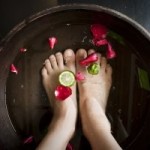
    Spa Foot SoakAnd finally, if you can afford the flight it’s worth checking it to Spa Lodge Backpackers in Rotorua, New Zealand. Just like Spa Hostel Khaosan, this friendly hostel makes use of the hot springs its city is famous for. The natural geothermal spa will do wonders for your aching muscles, especially after an action packed day of extreme Kiwi adventures! Dorm rooms start at around $20 US, and the hostel even offers discounts for weekly visits in winter!

    So don’t dismiss that spa getaway out of hand. If you do your research and plan ahead, it could cost a lot less than you think. Just remember to consider the costs of the treatments, as they can add up quickly!

  • Affordable Dining in Japan – Eat & Drink for Less

    Japan is a gourmand’s delight, with more Michelin-star rated restaurants than Paris. Sushi Saito is a favorite of Michelin guide director Jean-Luc Naret, Rokkaku is the first izakaya to make the list, and Birdland’s creative poultry dishes must be seen to be believed. And that’s all before you even leave the capital! But frequenting these high class establishments will empty your wallet faster than you can say “I’ll have the sashimi plate.” However it is possible to save yen on food and drink without starving by following our simple advice.

    Firstly, consider looking for accommodation that includes meals. Dinner and breakfast will be complimentary at most traditional Japanese ryokan inns and the country’s bed and breakfasts known as minshuku. A light breakfast is also often provided at the manga kiss internet cafes and capsule hotels. Just make sure to compare the prices, as it’s sometimes cheaper to find your own tucker.

    Thought that vending machines were just for snacks and soda? Think again. While the dishes don’t actually come from the machines in a vending machine café, they’re an inexpensive option, and great for anyone who doesn’t speak the language. Simply pop a couple of coins in the machine, choose a tasty looking dish, and take the dispensed receipt to the counter. The photo buttons make it easy to select a tasty rice dish, some ramen noodles, or a hearty soup. And it’ll only cost you the equivalent of a few dollars!

    Slightly more expensive, but only ever so slightly, are the ramen noodle houses and curry cafes. These cheap and cheerful establishments are specialists, so the quality is excellent. This certainly isn’t a case of getting what you pay for. For around 400 yen, or five dollars US, you’ll enjoy a delicious dish with sides of rice, a soup, and salad.

    Lunch is also often more affordable than dinner. If you fill up at midday on a discounted restaurant set menu or a cheap bento box, you’ll only need something light once dinner rolls around. Even high class restaurants tend to offer cheaper alternatives during the day. Perhaps that Michelin-star rated meal isn’t out of the question after all!

    But a tourist can’t survive on food alone. After a busy day of sightseeing nothing goes down better than a few cleansing ales. Look for bars and clubs offering meal deals. Many establishments will package dinner and a beer for around 400 yen. If you’re only looking for a drink though, you may want to leave the bars behind. While they offer atmosphere, they also charge a premium on the alcohol. Instead search for your booze at supermarkets, convenience stores, and vending machines. While we love our beer the world over, it’s worth trying Japan’s cheeky alternative Happoshu Beer. While it’s called beer, and tastes like beer, it’s actually brewed with less malt than a regular ale. The makers pass the savings on to you; this tasty beverage is much cheaper than a standard pint!

    Map of Japan

    As a more general rule, steer clear of the main streets and look for smaller restaurants and cafes. The main drags cater for tourists; the prices are higher and the dishes not so authentic. A good trick is peeking at the clientele. If the Japanese people aren’t eating or drinking there, you probably don’t want to either. Eat and drink as the locals do and you can return home from Japan with more yen in your pocket than you’d expect.

  • Fast Affordable Travel on Japan’s Shinkansen Bullet Train

    Whenever we’re traveling long distances, most of us prepare to board an airplane. We arrive at our destination in a timely fashion, although our bank balance tends to suffer. However there’s a better, and more affordable way to travel around Japan. Tourists in the know prefer to stay on the ground, and on the Shinkansen Bullet Train.

    The Shinkansen is the crowning achievement in Japan’s very efficient rail system. It’s renowned for being punctual, safe, and incredibly fast; all factors which have helped it become one of the most popular long distance transport options in Japan.

    Since their inception almost four decades ago, the bullet trains have carried more than six billion passengers. The trains travel at more than 300 kilometers per hour, yet they have never been involved in a serious accident.

    Tickets are available from ticket machines or counters at bullet train stations. The platforms are marked with carriage numbers so you’ll know exactly where you need to board. The entire process is very simple, and far quicker than boarding an aircraft.

    Up to ten bullet trains run each hour between the two most popular stations of Tokyo and Osaka. If you miss one train it can be as little as three minutes before the next one comes along. The trains also ferry tourists to other major cities including Kyushu, Nagoya, and Fukushima.

    The bullet trains are very comfortable, with lots of leg room, modern toilets, and a choice of smoking and non-smoking carriages. A snack service allows patrons to purchase food, soft drink, and alcohol, or you could grab something from one of the train’s vending machines.

    Shinkansen Bullet Trains
    Shinkansen Bullet Trains

    Sometimes airlines discount their fares, and this can make air travel a more affordable option. However, beware of nasty taxes and charges that push the price up. And then there are the other factors, including the bullet train’s comfort and the convenient location of its stations. When all is considered, it’s easy to see why the Shinkansen Bullet Train is such a popular way to get around Japan.

  • Asia’s Best Lunches – Affordable Local Traditional Dishes

    During a busy day sightseeing in Asia, lunch often tends to be an afterthought. Too many of us resort to Western-style junk food and overpriced meals at tourist attractions. They’re not just costly; they’re also unsatisfying. A much better option is to eat like the locals do and enjoy some of the Eastern continent’s best meals on the go.

    Singapore’s chili crab doesn’t sound like the best meal to eat on the run, but this Asian delicacy is not to be missed. The mud crab is cooked in a thick tomato chili sauce. This certainly gives the dish some heat, but the sweet crab meat ensures it’s not overpoweringly spicy. The sauce makes the dish a bit messy, but it’s so good that most tourists won’t mind a stained shirt. Crab is generally an expensive meat, but the competition between hawkers and kopi tiam at the East Coast Seafood Center keeps the prices reasonable.

    While in Vietnam make sure you try the country’s famous noodle soup, pho. The rice noodles are traditionally served in a broth with beef or chicken, and a variety of traditional Asian vegetables and spices. Most Vietnamese restaurants serve pho, but you’ll save money buying it from street vendors or market stalls.

    Japan’s bento boxes have come a long way over the last century, with the original lacquered lunch boxes giving way to more modern, disposable versions. The philosophy remains the same though, with each one containing an organized meal of rice, meat or seafood, and vegetables. You’ll find this balanced and affordable Japanese lunch at the country’s convenience stores, bento outlets, and train stations.

    Pho noodle soup
    Pho noodle soup

    And finally in Bali they have padang, a traditional curry sold at local market stalls. You’ll find a variety of padang in Bali, from classics like beef and tapioca leaves to the more adventurous fish head variety. Each one is served wrapped up in a banana leaf to help you eat it on the run.

    So next time you’re thinking of settling for a burger and fries in Asia, why not be a bit more adventurous and sample some of the local cuisine? Your stomach and wallet will thank you!

    [Image Source: Rob Sinclair/Flickr]

  • Cheap Shopping in Japan at 100 Yen Stores

    If you want your yen to go further in Japan, you shouldn’t miss the country’s 100 Yen shops.

    There are several different 100 Yen store chains in Japan, including Daiso, Watts, Seria, and Cando. Each one offers a hodge-podge of products, all selling for the bargain price of just 100 yen. That’s only a little more than one US cent!

    As you can imagine, we’re not talking about high end goods here, or items of exceptional quality. That old saying that you get what you pay for often holds true. However, the range of apparel, home wares, toys, and stationery is impressive. You’ll find dirt cheap travel essentials, including batteries, toiletries, and snacks. The 100 Yen stores are also great places for stocking up on Hello Kitty and Pokemon goodies and other cheap Japanese souvenirs for friends and coworkers back home!

    Just be aware that your purchases will generally be subject to a consumption tax of around 5%, to be applied at the cash register. But even with this additional cost, the stores’ goods are still bargains!

    Look for 100 Yen stores in Japan’s shopping malls and arcades, and near subway stations.

  • Cheap Stay at Japan’s Internet Cafes – Affordable Accommodation at Manga Kissa

    Internet cafes have become refuges for travelers keen to catch up with what’s happening back home and stay in touch with loved ones.


    But in Japan, they’re also a cheap place to stay. When all you need is entertainment and a roof over your head, this budget accommodation option begins to look very appealing.

    Japanese internet cafes, sometimes called manga cafes or manga kissa, have been expanded to include showers and private cubicles. There are no beds, so you probably won’t enjoy the best night’s sleep of your stay, but for as little as 1000 yen a night, or around $12 US, you won’t find a cheaper accommodation in Japan. Not even Japan’s capsule hotels are as affordable! Some café chains require membership and a small registration fee to bunker down, but if cost is key it’s still worth paying this additional expense.

    You might catch forty winks in the comfortable chairs, but the rest of your stay you’ll probably take advantage of the facilities. Your tariff will cover the cost of your internet usage and access to the café’s library of manga comic books. Many cafés also offer unlimited sodas and coffee to their patrons, and some even have television sets.Hotel sign with mouse

    The lack of beds means that an internet café probably won’t be your only accommodation while in Japan, but they’re a great option for short stopovers, or when you start to run low on yen!

  • Tour Tokyo’s Imperial Palace – Free Guided Japan Walking Tour

    A trip to Tokyo’s Imperial Palace should be on the itinerary of every tourist who wants to learn more about Japan’s history and culture.

    The Imperial Palace was formerly the site of Edo Castle, the residence of the Tokygawa shogun who ruled Japan from 1603 to 1867.

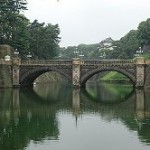
    Today it's home to the Emperor of Japan. Moats and stone walls help to isolate it from the rest of Tokyo. The palace is closed to the public, except on the New Years Greeting on January 2 and the Emperor's birthday on December 23. However tourists can visit on most weekdays by joining a guided tour. Palace staff members conduct tours of its grounds at 10 am and 1:30 pm on weekdays, except during special occasions. The guides speak Japanese, but are happy to provide a complimentary English pamphlet and audio recording Westerners can follow along. Each tour takes around 75 minutes to complete. The tour is free, but visitors must be approved by the Imperial Household Agency before entering the palace grounds. However thanks to an online form, this is a fairly simple process. However, it should be completed before you leave for Japan to ensure adequate time for processing. Allow five to ten minutes to walk from Tokyo Station to Kikyomen gate. Palace officials will check off your name before permitting you to enter the grounds. The first stop is Someikan Hall, where guests can watch an information video and grab a few Japanese mementos at the souvenir shop. [caption id="attachment_5493" align="alignright" width="150" caption="Nijubashi Bridge at the Tokyo Imperial Palace"]Nijubashi Bridge at the Tokyo Imperial Palace[/caption] Highlights of the tour include the Chowaden, the longest of the palace's seven buildings, the views from Tetsubashi Bridge, the much-photographed Nijubashi Bridge, and the tree-lined Yamashitadori Street. The palace is particularly pretty during spring when the cherry blossoms are in bloom. The Imperial Palace may disappoint some tourists who have seen Japan's stunning temples and beautiful gardens. Its style is quite simple and plain in comparison. However it's worth seeing for its historical and cultural significance, especially considering that it's free to join the tour.

    [Image Source: David Sanz/Flickr]

  • Free Snacks at Japan’s Harimaya Station Cafes

    Who said there’s no such thing as a free lunch? Clearly they’ve never visited one of Harimaya Station’s free cafés!

    The concept was developed by one of Japan’s leading snack food companies, Harimaya Honten.

    It might seem daft for the brand to give away their treats, but it's a great way of spreading word about the label's tasty snacks and generating positive publicity. You won't find enough free grub here to fill up but the complimentary coffee, green tea, juice, and Japanese rice crackers, known as okaki and senbei, will satisfy you between meals. So save your yen and eat up! The traditional crackers will definitely hit the spot during a busy day of sightseeing in Japan! There are seven Harimaya Station cafes in Japan: two in Tokyo, one in Fukuoka's Hakata Mitsui Building, one in Osaka's NM Plaza Midosuji Building, one in Kobe's Daido Seimei Kobe Building, one in Nagoya's CentRise Sakae Building, and one in Kyoto. The cafes are open daily between 10 am and 7 pm. Harimaya Honten also plans to take the concept abroad, so look out for Harimaya Station cafes in Paris and New York soon!

  • Free Observatories in Tokyo – Sky-High Views of Japan’s Capital

    With its endless stream of traffic and buzzing shopping arcades, it’s easy to feel lost in Tokyo. So why not rise above it?

    The capital of Japan has several free observatories which allow you to best appreciate the city skyline and its surrounds. The Tokyo Metropolitan Government Building has observatories on the north and south ends of the 45th floor. Make sure you visit on a clear day to admire Japan's most famous summit, Mount Fuji. You'll find another free observatory on the 47th floor of Seiroka Tower. From here you can look down at the manicured Seiroka Garden, and the Sumida River. You can see the Sumida River from a different perspective from the Caretta Shiodome. This waterway and the Hamarikyu Garden are the highlights of the vistas from the 46th and 47th floor lookouts. The Caretta Shiodome has more than views on its side though, with a theater, shops, and eateries all there to entertain. Most tourists visit the Shinjuku NS Building to dine at the famous restaurants on the 29th and 30th floors. While the view from your table is no doubt impressive, you can see the Shibuya area better from the building's free observatory. [caption id="attachment_3767" align="alignright" width="150" caption="Map of Japan"]Japan travel map picture[/caption] Tokyo even has observatories inside its transport hubs! Before you set sail, make sure you visit the observatory inside the Harumi Passenger Boat Terminal. It offers great views of Tokyo Bay and the Rainbow Bridge, and as it's a distance from the metro stations it rarely gets too crowded. You'll even find a couple of free observatories inside Haneda Airport! The travel hub is popular with tourists, as it's much closer to Tokyo than Narita. If you fly in, make sure you take the time to check out the impressive views from the first and second terminals.

  • Tipping in Asia – Money Customs in Eastern Tourist Spots

    Tipping is a way of life for anyone living in North America or Europe. But in Asia the practice is less common, and the etiquette surrounding it can cause confusion.

    This guide will tell you what gratuities are expected in Asia's major tourist centers. Tipping is most common in Thailand, where it is expected in all establishments that don't apply a service charge to the bill. It's typical to tip 10% of your restaurant bill, but you may give 15% for outstanding service. There is no need to tip Bangkok street vendors, or staff at food halls and noodle huts. Massage therapists and salon employees are also generally given 10% of your treatment cost as a tip. Thais tend to round up their taxi fare, offering the odd amount of baht as a tip, although you may be more generous if the driver helps you with your bags. Porters should also be tipped; while there are no rules for this 20 baht per bag is a good guide. The Japanese consider the practice of tipping rude, so do not leave extra yen under any circumstances. Instead, reward good service by saying the appreciative phrase "gochisou sama deshita" with a smile. Tipping is also restricted in Singapore, so keep your change in your pocket. Most large hotels and restaurants will add a 10% service charge to your bill, but workers in other establishments and taxi drivers will refuse any extra payment.Keyboard with three money keys Tipping is not expected in China, Vietnam, Indonesia, Malaysia, and The Philippines, but workers in these countries will not be offended if you leave a gratuity. Employees of hotels and restaurants in large cities are used to international tourists leaving tips, but the practice may confuse workers in smaller establishments. Don't be surprised if they chase you to return your change! While the Western concept of tipping is not practiced in India, the country has a similar custom called baksheesh. This idea encourages wealthy people to give to those less fortunate. Hotel porters will expect some rupees for their service. Restaurant staff won't anticipate these kinds of kickbacks, but they'll certainly appreciate a gift of 5-10% of the total bill.